From Farm to Kitchen: How Premium Spices Are Sourced in India
India has been known as the land of spices for centuries. The country’s diverse climate, fertile soil, and traditional farming practices make it one of the world’s largest producers of aromatic and flavorful spices. From pepper plantations in the south to cardamom estates in the hills, Indian spices travel through a long journey before reaching home kitchens.
Understanding how spices are sourced helps people appreciate the quality, freshness, and effort behind every ingredient used in cooking.
The Beginning: Spice Farms Across India
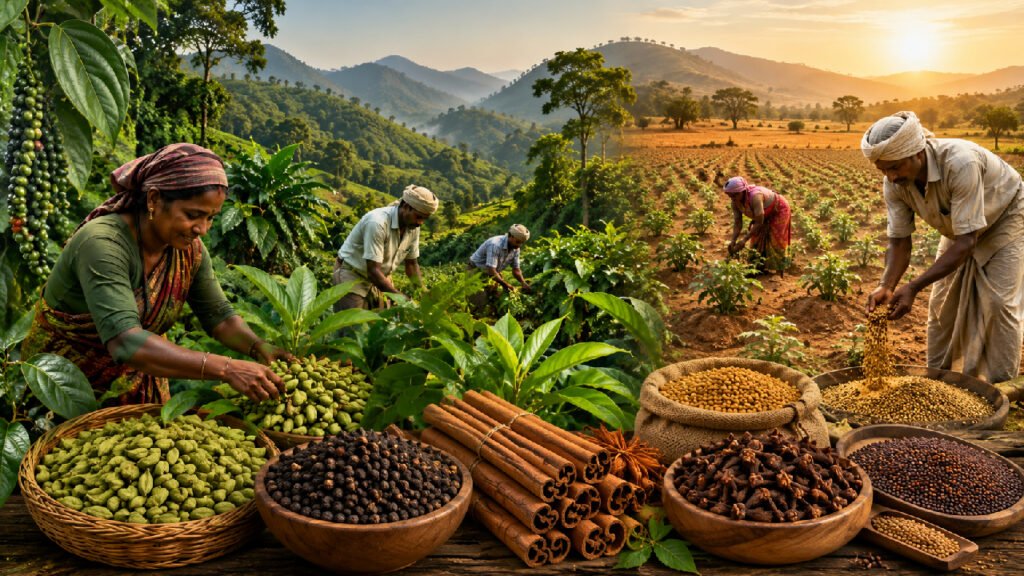
The journey starts at carefully maintained farms located in regions known for specific spices. Different climates support different crops. Pepper, cardamom, cinnamon, and cloves thrive in cooler hill regions, while cumin, mustard, and fenugreek grow well in dry areas.
Farmers pay close attention to:
- Soil quality
- Seasonal rainfall
- Harvest timing
- Natural growing methods
The right harvesting time is important because it directly affects aroma, flavor, and oil content.
Careful Harvesting Process
Premium spices are usually harvested by hand to protect their natural quality. Farmers select mature crops at the correct stage to preserve freshness and flavor.
For example:
- Pepper berries are picked when fully developed
- Cardamom pods are collected before over-ripening
- Cinnamon bark is carefully peeled and dried naturally
This careful harvesting process helps maintain the original taste and aroma of the spices.
Cleaning and Drying
After harvesting, spices go through cleaning and drying stages. Dust, stems, and unwanted particles are removed to improve purity and quality.
Drying is one of the most important steps because excess moisture can reduce shelf life and affect flavor. Many premium spices are sun-dried naturally to preserve their essential oils and natural fragrance.
Proper drying also helps:
- Maintain freshness
- Prevent spoilage
- Improve storage quality
Sorting and Quality Selection
Once dried, spices are sorted based on size, color, aroma, and texture. Higher-quality spices are separated carefully before packaging.
Premium spice selection focuses on:
- Rich natural aroma
- Strong flavor
- Uniform appearance
- Freshness
Only properly processed spices move forward for packaging and sale.
Hygienic Packing and Storage
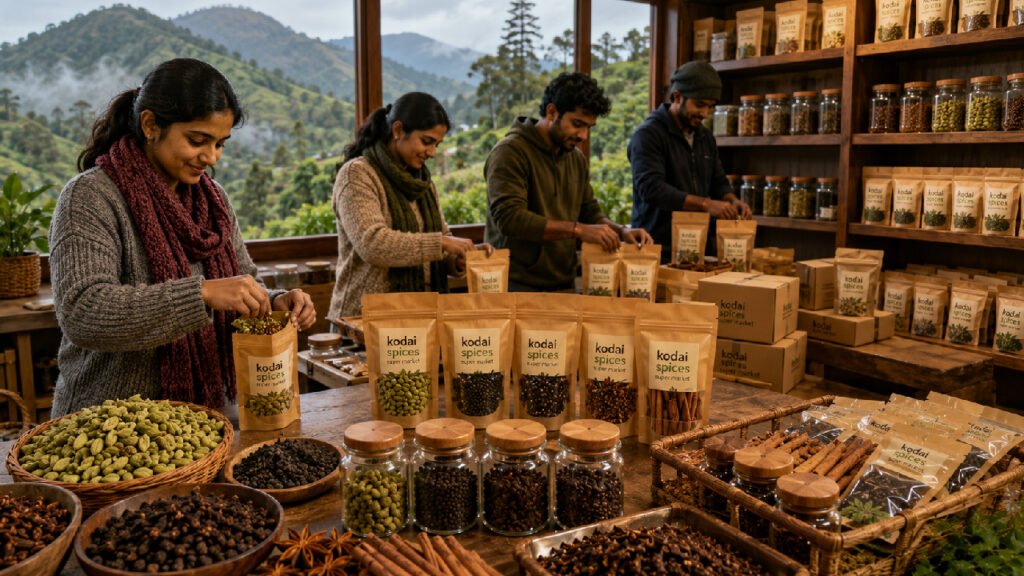
Freshly processed spices are packed using hygienic methods to preserve their natural oils and aroma. Good packaging protects spices from moisture, sunlight, and air exposure.
Proper storage is important because it helps spices retain:
- Flavor strength
- Fresh aroma
- Natural color
- Long-lasting quality
Careful packaging ensures customers receive spices in their best condition.
Why Quality Sourcing Matters
The quality of spices directly affects cooking results. Fresh and properly sourced spices provide:
- Better aroma
- Richer flavor
- Improved texture in recipes
- More authentic taste
Low-quality spices often lose their natural strength and freshness quickly. That is why sourcing and handling play a major role in premium spice products.
India’s rich spice tradition continues to bring authentic flavors to kitchens around the world. At the end of this journey from farm to kitchen, quality and freshness remain the most important factors.
At Kodai Spices Supermarket, we carefully offer a wide range of authentic spices, homemade chocolates, hill products, oils, and traditional specialties from Kodaikanal. Our focus is on providing fresh products that bring natural flavor and quality to every home.